
Walls That Keep Water Where It Belongs
Stucco Remediation in Houston for properties with concealed water intrusion and structural moisture damage
Stucco King Construction LLC handles stucco remediation when surface repairs no longer address the underlying problem. Water intrusion often begins behind window flashing, at balcony connections, or where kick-out flashing should redirect roof runoff, and by the time you notice staining or soft spots, moisture has already compromised the wall assembly. Remediation involves removing damaged stucco, repairing compromised sheathing and framing, installing proper drainage planes and flashing systems, then rebuilding the exterior with correctly detailed stucco or EIFS that channels water away from vulnerable areas instead of trapping it inside the wall.
This work addresses failures that surface patching cannot fix: deteriorated window flashing that allows water to seep behind stucco during storms, missing kick-out flashing where roof edges meet sidewalls, and balcony connections without adequate waterproofing membranes. Houston's intense rainfall and high humidity accelerate these problems, turning small flashing gaps into widespread sheathing rot within a few seasons. Remediation corrects the original installation errors by rebuilding the wall system with integrated drainage and proper flashing at every penetration.
Schedule a wall inspection to identify the full extent of water intrusion and determine which sections require remediation versus localized repair.
Our Services
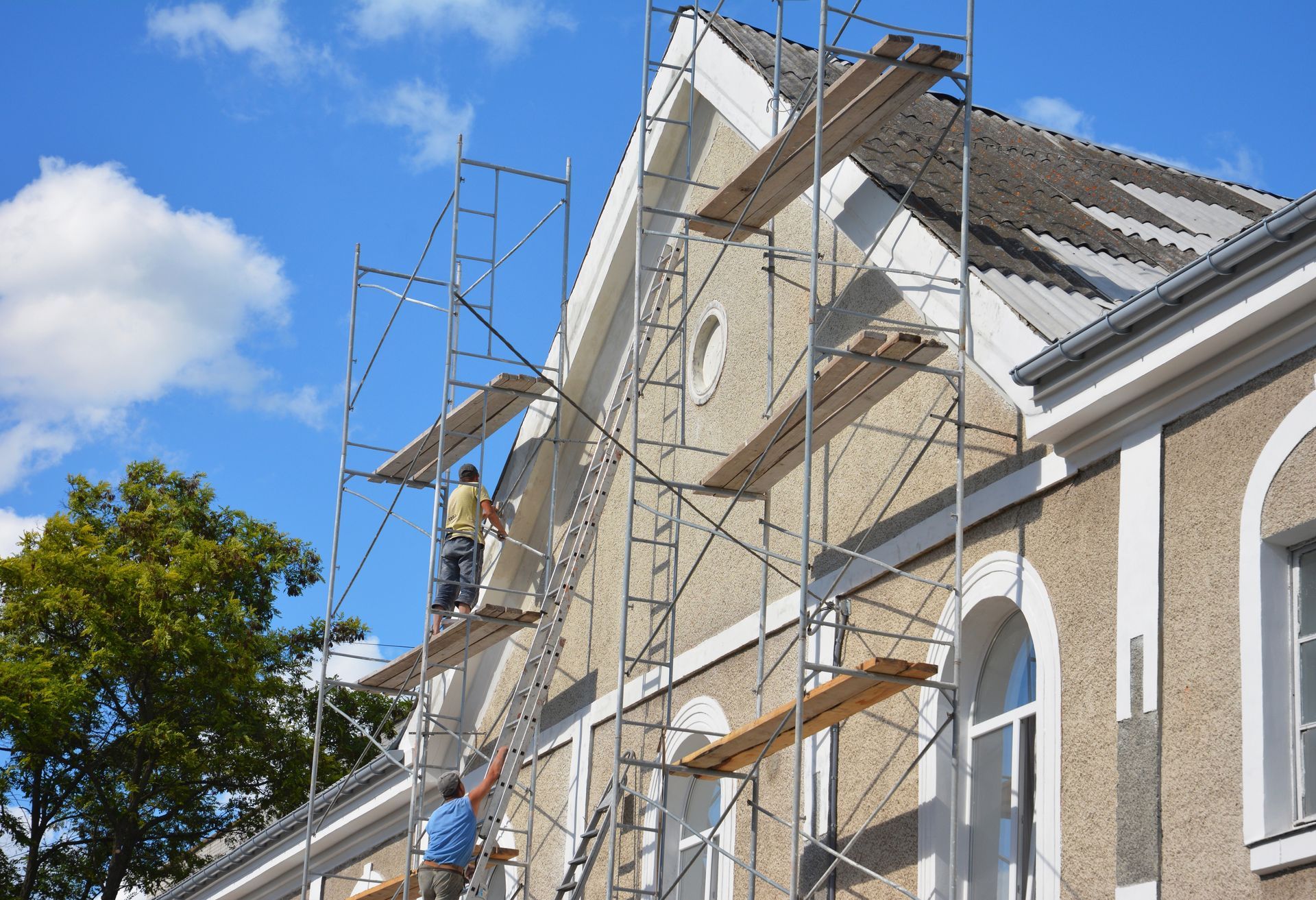
Stucco remediation is designed to correct moisture intrusion and damage occurring behind the visible stucco surface, making it an important service for properties throughout Houston, Katy, Cinco Ranch, Sugar Land, Pearland, Cypress, Spring, The Woodlands, and surrounding areas. When water enters through failed window flashing, missing kick-out flashing, deteriorated sealants, damaged weather-resistive barriers, or inadequate drainage, it can saturate sheathing and framing behind the stucco and create damage that cannot be solved with surface patching alone. Stucco King Construction evaluates the wall assembly, removes compromised materials where necessary, repairs damaged sheathing and framing, corrects flashing and waterproofing deficiencies, restores drainage paths, and rebuilds the exterior system. Houston's heavy rainfall and high humidity make effective moisture management especially important, and our remediation work is designed to address the source of water intrusion while restoring the appearance and performance of the exterior. We provide stucco remediation for residential and commercial properties throughout the greater Houston area.
What Full Remediation Actually Involves
The remediation process begins with selective demolition to expose the wall assembly behind the stucco, allowing inspection of sheathing condition, framing moisture content, and existing flashing details. Damaged sheathing gets replaced, framing members are dried and treated or sistered as needed, and a complete weather-resistive barrier system is installed with proper lapping and sealing at all penetrations. Window flashing repair involves installing head flashing, sill pans, and jamb flashing that direct water outward, while kick-out flashing is added where roof edges terminate to prevent runoff from streaming down the wall.
Once the wall assembly is rebuilt with drainage planes and flashing in place, you'll notice that water no longer penetrates during storms, interior walls stay dry, and musty odors from trapped moisture disappear. Balcony stucco repair includes waterproofing membranes under walking surfaces and proper drainage at deck-to-wall transitions, preventing the chronic leaking that ruins ceilings below. Exterior stucco painting over the new surfaces provides a uniform appearance while adding another layer of weather protection over properly detailed walls.
The scope of remediation depends on how far water has traveled through the wall system and whether EIFS repair or traditional stucco rebuild better suits the structure. Properties with widespread damage may require remediation across multiple elevations, while others need focused work at specific failure points like improperly flashed windows or balcony connections. Stucco drainage repair often involves adding weep screeds, installing drainage mats, or creating relief channels that weren't part of the original construction.
Questions Property Owners Ask Before Starting
Remediation work varies based on how long water intrusion has gone unaddressed and which building components have been affected.
How do you determine whether a property needs full remediation or localized repair?
Moisture meters, visual inspection behind sample removals, and infrared imaging reveal the extent of water damage within wall cavities, showing whether moisture is confined to one area or has spread through multiple bays. If sheathing is spongy, framing shows rot, or water stains appear far from the suspected entry point, remediation is necessary to prevent structural failure.
What happens to the interior during exterior remediation?
Interior walls are protected with barriers during demolition, but drywall removal may be required if moisture has penetrated through the wall assembly or if framing repairs demand interior access. Once the exterior is sealed and dried, any interior finishes damaged by previous water intrusion can be replaced without risk of recurring moisture problems.
Why does window flashing repair matter more than patching the stucco around windows?
Flashing creates a continuous drainage plane that directs water outward before it contacts the wall assembly, while surface patching only covers existing stucco without addressing the gaps where water enters. Properly installed head flashing, sill pans, and jamb flashing keep window openings dry even during wind-driven rain, which patching alone cannot accomplish.
How does Houston's climate affect stucco drainage systems?
High humidity slows drying within wall cavities, so any water that enters through flashing gaps or missing kick-out flashing remains trapped longer, accelerating rot and mold growth. Heavy rainfall events overwhelm inadequate drainage details, forcing water behind stucco through capillary action and hydrostatic pressure that wouldn't occur in drier climates.
What indicates that balcony stucco repair should be part of a remediation project?
Staining on ceilings below balconies, cracking at deck-to-wall junctions, or soft spots near balcony edges signal that waterproofing membranes have failed or were never installed. Balcony repairs must include membrane installation, proper sloping for drainage, and flashing integration with the wall assembly to stop recurring leaks.
Stucco King Construction LLC rebuilds wall systems with the flashing and drainage details required to keep water outside the structure. Contact us to assess your property's wall condition and develop a remediation plan that addresses the source of water intrusion, not just its visible effects.
